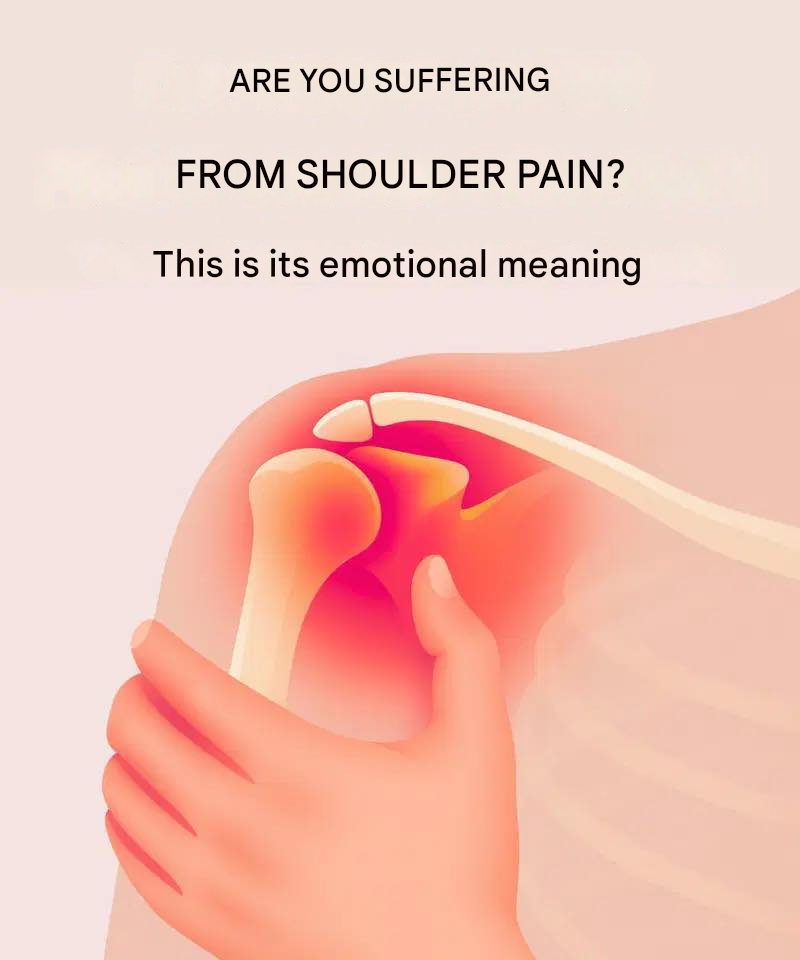
According to some approaches, such as bio-decoding, physical symptoms can be linked to underlying emotional conflicts. Shoulder pain is then interpreted as a revealing message of an inner imbalance.
Emotional burden and excessive responsibility
People who mentally carry the burden of others—whether it be family, a partner, or work—often experience tension in their shoulders. Their bodies reflect this weight that they feel they must bear alone.
Guilt, fear, and a feeling of lack of support
Shoulder pain can also be linked to guilt, fear of failure, or feelings of abandonment. It may then signal a need for support, recognition, or emotional comfort.
Difficulty letting go
Perfectionist or highly controlling personalities tend to maintain constant tension in the neck and shoulders. Learning to trust, accept imperfection, and let go of control can help alleviate this pain.
Right shoulder and left shoulder: a different symbolism
Right shoulder: stocks and bonds
Pain in the right shoulder is often associated with external responsibilities: work, professional goals, duties, and social demands. It represents the active, rational, and action-oriented side.
Left shoulder: emotions and affective sphere
Pain in the left shoulder is more frequently linked to emotional and family life. It can reflect emotional conflicts, past traumas, or stress related to close relationships.
See more on the next page
Advertisement
