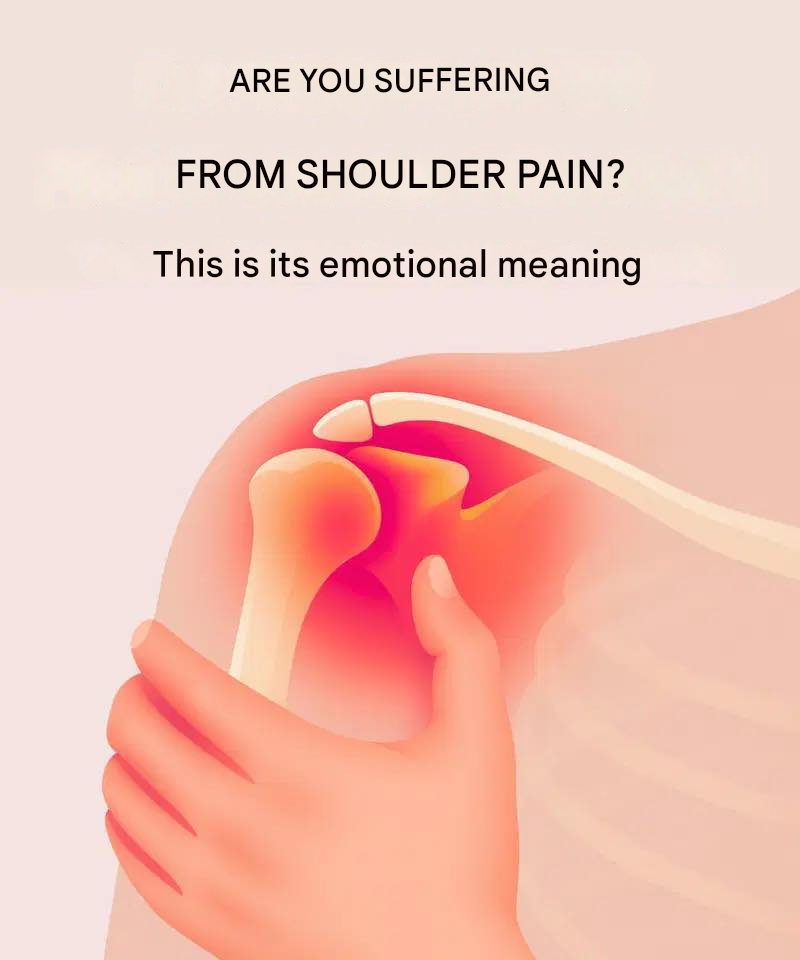
Shoulder pain and chronic stress
Prolonged stress leads to an increase in cortisol, promoting muscle contraction, particularly in the shoulders and neck. Pain then acts as a warning signal, prompting us to slow down and restore a healthier balance.
The weight of perfectionism
The constant pressure to perform well or be flawless can lead to lasting physical tension. The shoulders then feel like they are « carrying the world. » Releasing this burden often requires letting go of unrealistic expectations of oneself.
Emotional approaches to pain relief
Recognizing one’s emotions
Identifying and naming the emotions associated with pain—stress, fatigue, frustration, or sadness—is an essential first step. This awareness already allows a process of calming to begin.
Relaxation and tension release
Practices such as gentle stretching, conscious breathing, yoga, or body relaxation techniques can help release tension accumulated over time.
Developing mindfulness
Meditation, journaling, or body scan exercises promote better self-awareness. These habits help prevent repressed emotions from manifesting as physical pain.
Combining a medical approach with an emotional dimension
While emotions play an important role, any persistent or intense pain should be evaluated by a doctor to rule out a physical cause, injury, or inflammation.
A holistic approach, taking into account both body and mind, can promote more lasting relief. Integrating medical support and emotional work often allows the problem to be addressed at its root.
