How fabric softeners contribute to indoor air pollution
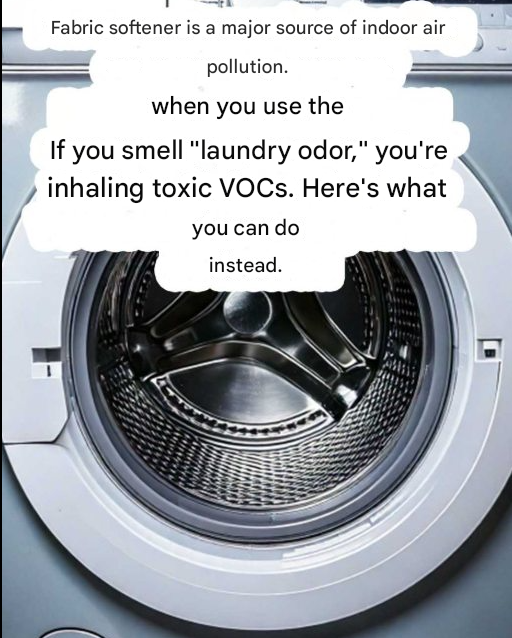
Fabric softeners contribute to indoor air pollution, primarily through VOC emissions. These products often contain fragrances and other chemicals that, when heated or agitated during washing and drying, release VOCs into the air.
The « fresh » scent associated with fabric softeners is often a result of these chemicals. In addition, some fabric softeners contain quaternary ammonium compounds, which can also contribute to poor indoor air quality. The cumulative effect of these emissions can significantly impact indoor air quality, especially in poorly ventilated areas.
The science behind the « laundry smell »
The « laundry smell » that many associate with cleanliness is actually a complex mix of synthetic fragrances and other chemicals. These scents are designed to mask odors and create a feeling of freshness, but they can also release VOCs into the air. The process of heating and agitating clothes in the dryer can exacerbate this release, as the heat helps evaporate the compounds. Therefore, the odor is often strongest when clothes have just been washed. While the smell can be pleasant, it’s important to realize that it’s a sign of chemical emissions.
Health implications of inhalation of VOCs
Inhaling VOCs can have several health consequences, especially for vulnerable groups such as children, the elderly, and people with existing respiratory conditions. Short-term exposure to VOCs can cause symptoms such as headache, dizziness, and throat irritation. Long-term exposure has been linked to more serious health problems, including liver and kidney damage, central nervous system disorders, and an increased risk of cancer. Given the potential health risks, it is important to minimize exposure to VOCs in the home environment.
Fabric softeners contribute to indoor air pollution, primarily through VOC emissions. These products often contain fragrances and other chemicals that, when heated or agitated during washing and drying, release VOCs into the air.
The « fresh » scent associated with fabric softeners is often a result of these chemicals. In addition, some fabric softeners contain quaternary ammonium compounds, which can also contribute to poor indoor air quality. The cumulative effect of these emissions can significantly impact indoor air quality, especially in poorly ventilated areas.
The science behind the « laundry smell »
The « laundry smell » that many associate with cleanliness is actually a complex mix of synthetic fragrances and other chemicals. These scents are designed to mask odors and create a feeling of freshness, but they can also release VOCs into the air. The process of heating and agitating clothes in the dryer can exacerbate this release, as the heat helps evaporate the compounds. Therefore, the odor is often strongest when clothes have just been washed. While the smell can be pleasant, it’s important to realize that it’s a sign of chemical emissions.
Health implications of inhalation of VOCs
Inhaling VOCs can have several health consequences, especially for vulnerable groups such as children, the elderly, and people with existing respiratory conditions. Short-term exposure to VOCs can cause symptoms such as headache, dizziness, and throat irritation. Long-term exposure has been linked to more serious health problems, including liver and kidney damage, central nervous system disorders, and an increased risk of cancer. Given the potential health risks, it is important to minimize exposure to VOCs in the home environment.
See more on the next page
Advertisement
