—Dad! What did you do? You donated everything!
I remained calm:
—Hi, Marcela. I thought I was in the way.
He showed me his cell phone full of bank notifications.
—That was mine!
—No. It was mine. And I decided that it should serve those who need it, not the person who humiliated me.
He threatened to sue, to have me declared legally incompetent.
“Everything is signed, legal, and executed,” I replied. “Are you going to take medicine away from abandoned elderly people?”
She was speechless. She tried to cry, to apologize. I looked at her calmly:
—You had years to be a daughter. You chose to be a role model.
She left defeated. When the gate closed, I didn’t feel abandoned. I felt free.
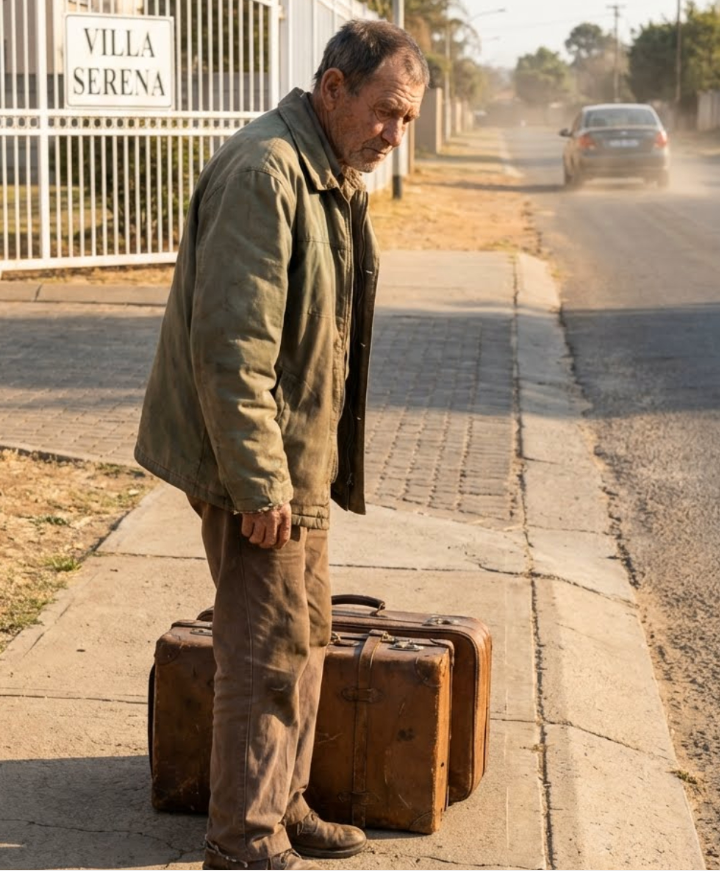
Three months later, I’m still in room 12B. But Villa Serena has changed: more staff, better treatment, workshops, a decent dining room. Nobody knows I’m the owner. They only know I’m Esteban.
One day a new old man arrived, left at the entrance by his son. I went downstairs and extended my hand to him:
—Welcome. My name is Esteban.
“They abandoned me,” she said, her voice breaking.
—Me too. But here we learn that family isn’t always about blood. It’s about respect.
That afternoon, under the bougainvillea, I understood something: I didn’t lose a daughter. I lost an illusion. And I gained something better: my dignity. And that was, in the end, the best birthday of my life.
See more on the next page
Advertisement
